Items not labeled as Rapid Ship or Pre-arrival may require a transfer from the warehouse to our shipping facility before shipping, which can take 4–6 business days. Learn more on the Shipping Info page.


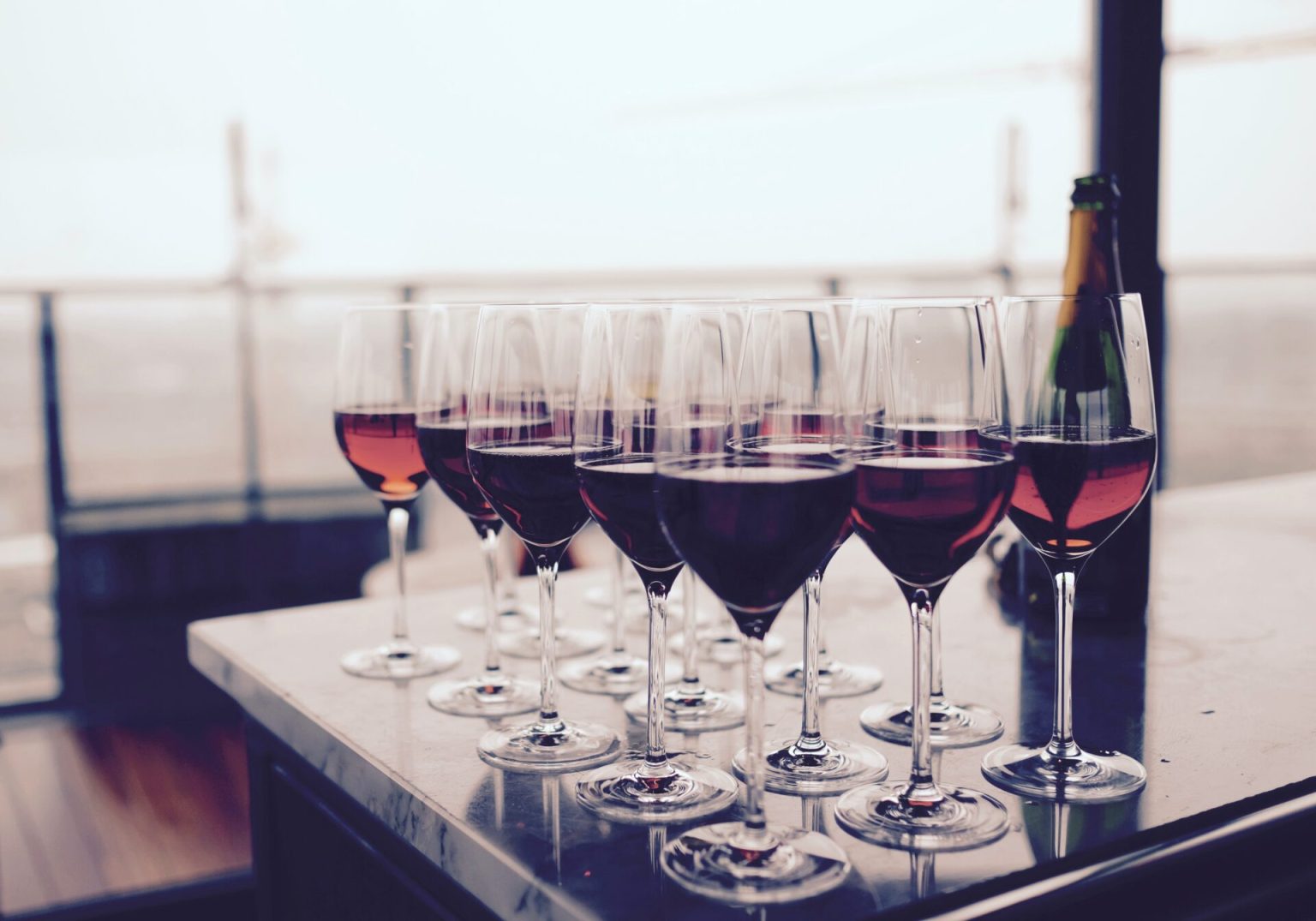
A Beginner’s Guide to Wine Tasting: Tips and Techniques

Let’s start by getting one thing straight: There is wine drinking and there is wine tasting.
The former comes in many forms and is nearly impossible to get wrong. As long as all (or most) of the wine gets successfully from the glass, mug, bottle, can, box or barrel into your mouth, you’re doing it right.The latter is a different story. Wine Tasting is an elaborate ritual performed by connoisseurs at restaurants, bars, wineries, wine events and pretty much anywhere they get the chance. Although it can appear to be just that, a performance, there is actually quite a bit of technique involved, backed by science, that allows one to affectively and accurately assess the finer points of wine. This guide will lead you through the how’s and why’s and have you looking like a pro and, most importantly, enjoying your wine tasting experience.
Setting for Success
Glassware
Wine drinking can be done out of whatever vessel is handy (see above). Wine tasting is best done with the traditional bowl shaped, stemmed glass:

- Tapered opening focuses the wine’s aromas, points them towards your sniffer
- Wide bowl increases the surface exposure to air and allows for maximum release of aromas
- Stem keeps the warmth of your hand away from the wine, maintaining its preferred temperature
Serving Size
An ounce or two at a time is all you need. Enough to appreciate the color, aroma and flavors. Not so much that you can’t effectively swirl (see below).
Serving Temperature
This is a general guide and represents the temperature ranges at which various styles of wine will show their best. No need to run out and buy a digital thermometer or multi-zone wine fridge but attention to this will absolutely increase your enjoyment and appreciation.
ICE COLD: 38–45F
COLD: 45–55F
CELLAR: 55–60F
ROOM: 60–68F
The Main Event aka The S’s
SEE: The color of a wine often goes underappreciated. Don’t make that mistake. Best practice is to hold your glass against a white background in natural light so come as close to that as your setting allows. There are certain clues in the color as to what to expect from the wine, but the important thing is to take a minute and enjoy the shade, depth and variation.
SWIRL: The goal here is to increase the wine’s aromatic accessibility. In other words, coax the smells out of the liquid and into the air where your nose can get at them. No right or wrong method: clockwise or counter, slow or fast, just get the wine moving. WARNING: Once you master this you will do it with all of your beverages.
SNIFF: Crucial step as the majority of what we call “taste” is aroma. Don’t be afraid to get your nose right down into the glass and inhale deeply. Try to keep your nose in the “upper” part of the glass opening (the bottom being where the wine is). This is where all the good smells hang out.
SIP & SWISH: Finally! You get to drink the wine! Well, yes, you get to taste the wine. Similar to serving size above, a small amount is preferred. Enough to cover your entire palate but not so much that you can’t move it around. Hold and swish the wine in your mouth, contacting the top and sides of your tongue and the insides of your cheeks.
SUCK: OPTIONAL The idea here is further aerate the wine, while in your mouth, to release more of the aromatics and increase the intensity of its flavor (which, remember, is mostly aroma). While holding the wine in one’s mouth, one purses one’s lips and draws breath in and across the wine. This pulls the aromas up to the olfactory sensors through the passage between nasal cavity and mouth. It is as difficult and potentially disastrous as it sounds. Practice at home, over the sink.
SAVOR: Before repeating the process (beginning with Swirl), take a minute or two to contemplate the wine. Consider not only the sensory input you’ve gathered but also your emotional response. This is a good time to jot down a few notes. Not a concise and poetic tasting note, random thoughts are fine. This, more than anything else, will help develop your understanding and appreciation.
A Little Tasting Lingo
Event Etiquette
Large scale open-to-the-public wine tastings are becoming increasingly popular not just in areas where wine is grown and made but across the country, often as the centerpiece of fund-raising events or food festivals. These are excellent opportunities to sample a wide range of wines and interact with other enthusiasts in a chill environment. Before you go, here are a few tips to get the most out of your experience:
And Finally…
If you enjoy wine, or think you might, there is absolutely no substitute for tasting it. No amount of reading or listening can replace the experience of seeing, smelling, and sipping. There are more opportunities to do this than ever before; at wineries (of course) but also restaurants, bars, festivals, farmers’ markets and even grocery stores. Do not be discouraged or intimidated because you’re just starting out. The people that you might feel intimidated by were once beginners as well. They are more likely to offer a smile and encouragement than a scowl and judgement. Embrace your curiosity, grab a glass and get after it!