Items not labeled as Rapid Ship or Pre-arrival may require a transfer from the warehouse to our shipping facility before shipping, which can take 4–6 business days. Learn more on the Shipping Info page.


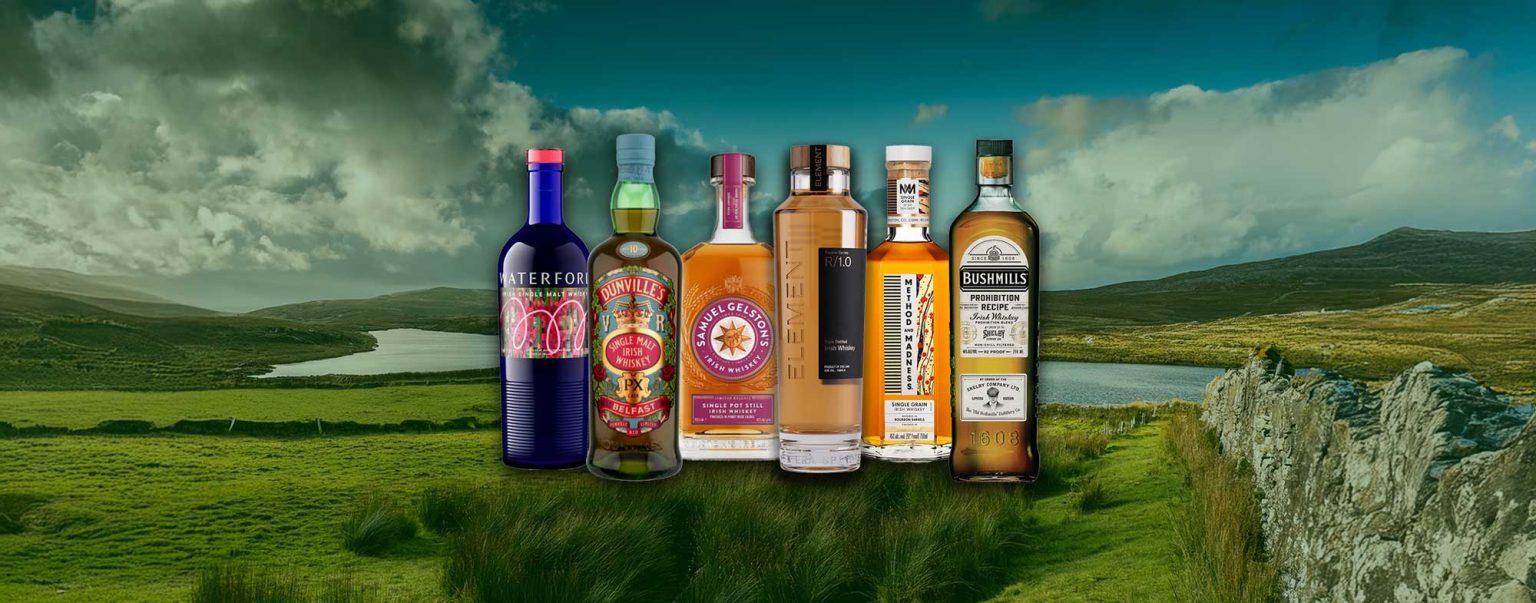
A Closer Look at Irish Whiskey: Styles, Characteristics, and Notable Picks

We have reached that time of year when all you see when you walk into your local bar or store is Irish whiskey this, Irish whiskey that. Well, unfortunately, this is not an escape for you from such repetition, but it is an opportunity for you to be informed and to make the best and most delicious choice this St. Paddy’s Day. Here is a breakdown of some of the different styles available and some interesting bottlings you might not have seen but should definitely try out.
Blended Irish Whiskey
Perhaps the most common style when it comes to people grabbing for a bottle of Irish whiskey, these bottles feature the loosest of rules and can be a blend of Single Malt, Single Grain, and Pot Still from multiple distilleries. These bottles are a great example of how blending can create great approachable pours that even experienced drinkers can find pleasure in.
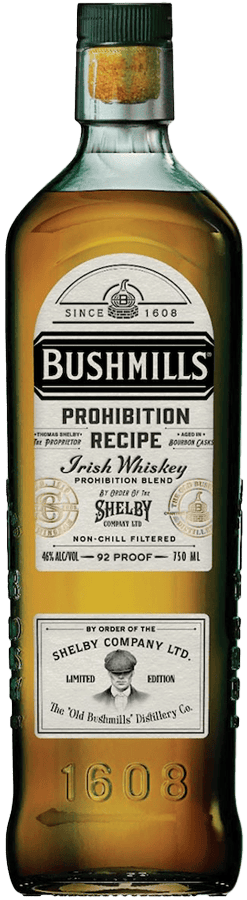
Bushmills Irish Whiskey Prohibition Recipe: One of the biggest names in Irish whiskey collaborated with the show Peaky Blinders to recreate what a bottle of Bushmills would have tasted like back in the 1920s. This bottling is finished in bourbon barrels and bottled at a higher proof, which lends it a bold vanilla profile and round texture on the palate.
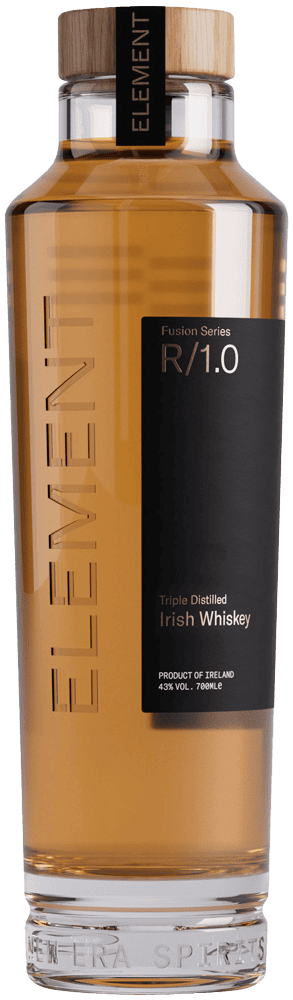
Element Irish Whiskey Fusion Series R/1.0 Triple Distilled Irish Whiskey: This is a bottling that got it right by listening to their audience. Taking feedback from tasters and adjusting to what the customer wants, they landed on an absolute people-pleaser bottle. Showing more caramel and spice, this whiskey drinks with a drier finish making you want to go back for another sip immediately.
Single Malt Irish Whiskey
If you are a Scotch drinker, then Single Malt Irish Whiskey will feel very familiar to you. Made in a similar way, they both feature malted barley; however, the Irish goes through triple distillation and tends to be far more restrained on the peat—if they use any at all. These bottles show how dynamic this category can be and how delicious the differences are.
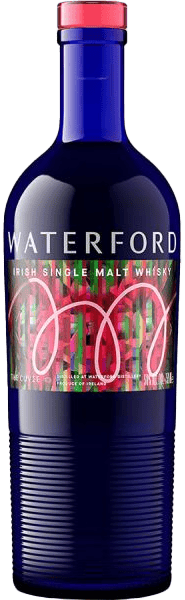
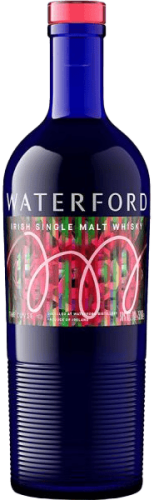
Waterford Distillery The Cuvée Irish Single Malt Whisky: This distillery approaches whiskey like a winery, blending barrels from its 25 different terroirs to create what they call their Cuvée. This bottling presents notes of crème brûlée, bananas, and baked pear. The texture starts spicy but finishes full and soft, like heavy cream.

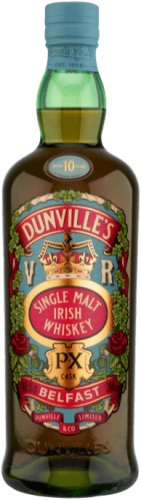
Dunville’s Irish Whiskey 10-Year-Old P.X. Cask Belfast Single Malt Irish Whiskey: On the other side of the single malt spectrum is this bottle from a multi-award-winning distillery. It features much darker notes of raisin and black cherry. The palate shows a subtle smoky flavor that balances nicely with the rich sweetness from the Pedro Ximénez barrels.
Single Grain Irish Whiskey
This has to be the most confusing named category of Irish whiskey. This is a whiskey that can be made from malted or unmalted barley and other cereal grains like; corn, wheat, and rye. This style seems to carry a lighter body compared to others.
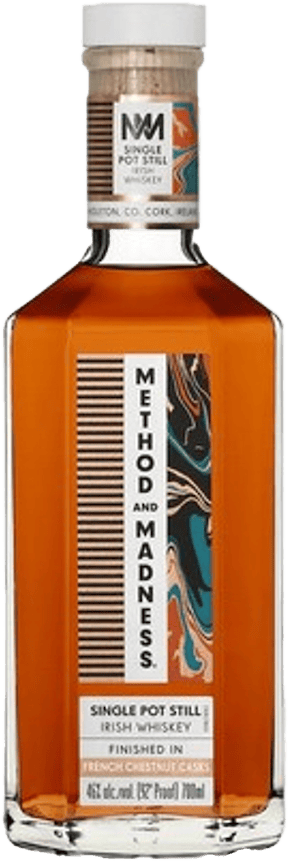
Method and Madness Single Grain Spanish Oak – This is a unique collaboration project that takes place at the famous Midleton Distillery in a warehouse turned micro-distillery. Masters and apprentices work together creating unique combinations and testing out new flavors. This whiskey is true to the style by being on the lighter side showing apple with a light honey sweetness. This bottle uses Spanish oak, which imparts a subtle wood spice note reminiscent of freshly cut lumber.
Single Pot Still Irish Whiskey
A very distinct style of Irish whiskey. As the name implies they use copper pot stills compared to the more commonly used column still. The pot still tends to make fuller bodied whiskey with a unique pot still spice characteristic.

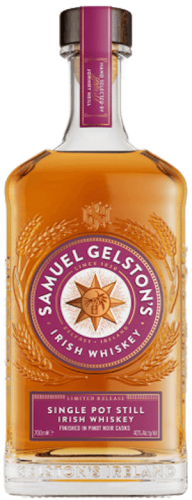
Samuel Gelston’s Irish Whiskey Single Pot Still Pinot Noir Cask Finish – This bottling uses barrels from the Sam Neill’s Winery in New Zealand, Two Paddocks. The copper still funk is present on the nose showing grass and grapefruit peel but blends with the pinot noir cask baking spice. The palate shows more of the pinot noir barrel with red berries being prominent with some clove spice that lingers due to the whiskey’s silky oily texture.
It’s pretty clear that the world of whiskey is vast, and that even in just Ireland, the styles vary all over the place. I’ve found the best way to experience these styles is by doing side-by-side comparisons with different bottles. Out of the bottles I listed above, I broke them into two categories—one group highlighting how the production of the whiskey affects flavors, and another highlighting how finishes and aging can really make for unique examples: