#80 Wine of the World 2022. Somehow this manages to be very powerful and concentrated, expressive and wild all at once. Violets and wet earth mingle in the complex and very youthful nose. What a breathtaking interplay of fruit, tannin and mineral freshness this has on the compact, but only medium-bodied palate. Enormous vitality at the firework-display finale! From biodynamically grown grapes with Demeter certification. Drinkable now, but best from 2024.
Minty herbs and camphor give way to black currants and savory spices, as the 2019 Teroldego Granato blossoms in the glass. This is polished and elegant with a deep inner spiciness and depths of dark red fruits. Cooling acids and minerals help to lift the expression, holding the 2019's power in reserve, and creating a youthful yet totally harmonious expression. While structured and built for the long term, I recommend checking in on at least one bottle to enjoy the intensity of its primary fruit. This is an undeniably classic Granato in the making. In 2019, the Foradori family used 30% whole-cluster fruit while fermenting the Granato.
This is a beautiful organic and biodynamic wine from Trentino in the far north of Italy. A pure expression of the native Teroldego grape, the Foradori 2019 Granato opens to an inky dark appearance with little light penetration. The bouquet takes a few moments before it fully opens, but once it does, you get dark plum and blackberry followed by cola, licorice and black rose. This richly concentrated red offers great depth and momentum.
Winery Notes
100% Teroldego. Granato is an historic and special wine for Foradori. It comes from their original Campo Rotaliano estate vineyard on this flat, sunny, well-drained plateau with sandy, stony, Dolomitic limestone soils. And as is true of all Foradori reds, the farming is certified-biodynamic and the winemaking very light-handed.
That said, several things make Granato stand out. It is Foradori's only riserva, first bottled by Elisabetta in 1986, and the wine that put Foradori on the international wine map; it comes from 3 parcels of the oldest, pergola-trained vines, planted from 1938 to 1956 on the most gravellly parts of the vineyard; and it is the longest-aged and -lived of their wines. The old and genetically diverse material in the Granato vineyard is the source of all cuttings needed for re-planting vines at Foradori.
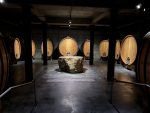
In its early years, Granato was a more internationally-styled wine, aged in new French barrique and garnering high scores from critics and collectors, and that is how it often still viewed out in the wider wine world. But notably, the last vintage with any new barrique was 2000 and the last vintage with even used barrique was 2008. The vinification and aging of Granato gradually shifted into something more gentle and traditional, with a true terroir focus, as the farming evolved from conventional to organic to biodynamic. The hand-harvested fruit is partly destemmed and gently pressed, with up to 40-50% whole clusters. Fermentation is spontaneous in huge, open wooden vats or tini, with little to no sulfur generally. Maceration is two to three weeks and is built not around punch-downs or pump-overs but rather around the infusion effect of a cappello sommerso or submerged cap of skins in the wine. The wine is aged in old oak botti up to 22 hectoliters in size for around 15 months, before being bottled unfiltered and aged another year before release.
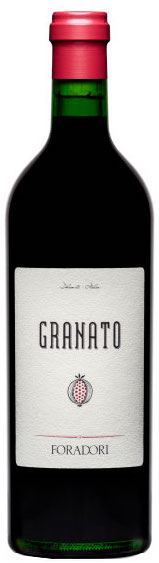
The name "Granato" means "garnet" in Italian but is especially a reference to the pomegranate or in Italian melograno, a fruit of Mediterranean origin, like the first grape vines brought to Italy millenia ago. Elisabetta has always felt stirred by the vitality within this bright, juicy, tannic, many-seeded orb; the name honors that connection she always made between the self-contained beauty and energy of this old-vine wine and this ancient fruit.



 1.5Ltr