Items not labeled as Rapid Ship or Pre-arrival may require a transfer from the warehouse to our shipping facility before shipping, which can take 4–6 business days. Learn more on the Shipping Info page.


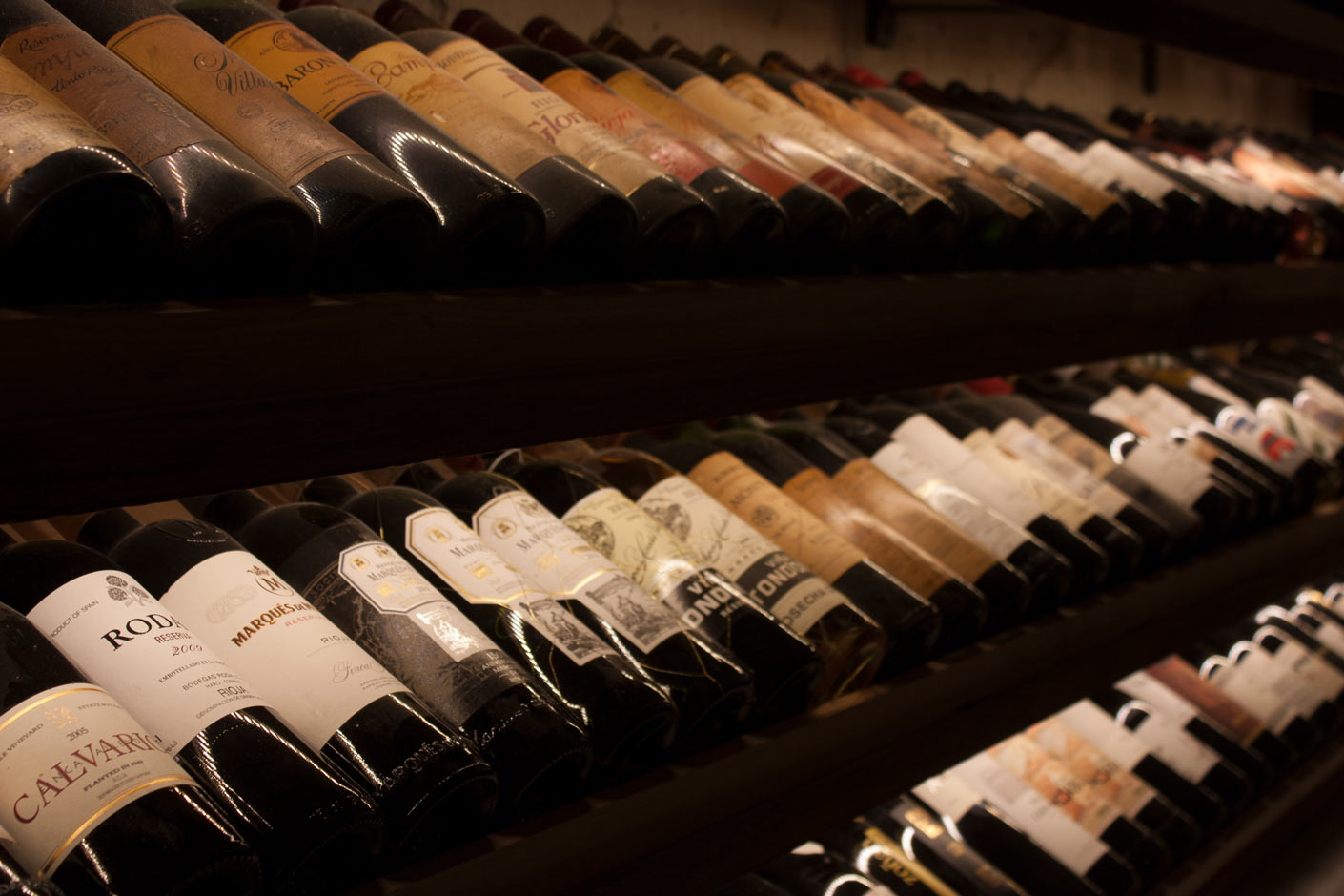
How to Start a Wine Collection: You Don’t Need to be a Millionaire

When I was a child, like many kids, I had an obsession with sports card collecting – specifically basketball. I started out small, begging my mother to buy a pack or two every time we went to the store. As I got more serious, I saved my allowance and bought full boxes, tearing open each pack with intense anticipation. After a while I had so many that I had to buy a card holder book, and then began cataloging them, and researching values. I soon realized that I needed to balance the collection out and began selling duplicates and investing in single cards.
Wine collecting is no different. One needn’t be a millionaire to get started. The biggest hurdle is deciding what characteristics you enjoy most in a wine (no point in buying wine you won’t enjoy), and what budget you’re most comfortable with. Then taste, taste, and taste. Refine your preferences, and seek out other wine producing regions that have similar characteristics. When you find something you enjoy, buy a few bottles with the intention to enjoy them over the years.
How do I store wine without a wine cellar?
After a while, you’ll need somewhere appropriate to store the bottles. Wine needs a cool, dark space with consistent temperature. Huge swings in temperature have a way of destroying wine. Optimal would be 55-60 degrees, but you can go up to room temperature just so long as the temperature remains constant. You can go big and buy a temperature controlled wine refrigerator, or put up a few racks in a cool basement if you have one.
What wines do I start a collection with?
In the United States, nearly all wine collectors have a similar progression. Most start out with full bodied Cabernet Sauvignon and Chardonnay due to their approachable styles. That’s usually followed by lighter bodied Cabernet, most notably Heitz, Ridge, Montelena or even Washington State wines such as Andrew Will and Gramercy Cellars.
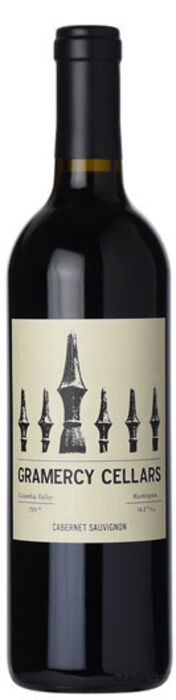
Gramercy Cellars Cabernet Sauvignon 2017
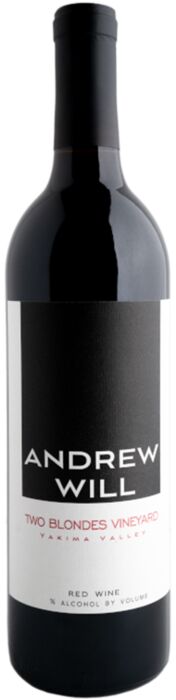
Andrew Will Red Blend Two Blondes Vineyard 2017
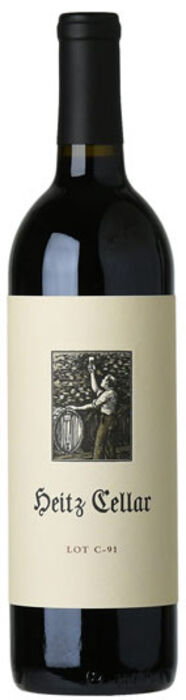
Heitz Cabernet Sauvignon Lot C-91 2016
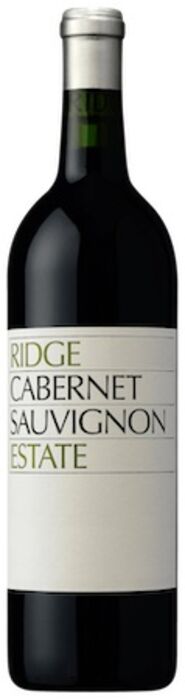
Ridge Cabernet Sauvignon Estate 2019
From there, Left Bank Bordeaux is the next step due to the high proportion of Cabernet Sauvignon in the blends. Second labels such as Pichon Baron’s Griffons, la Dame de Montrose, or even Reserve de Leoville Barton are perfect entry points due to the serious value with opulent fruit, and are perfect crossovers from the New World to Old World. The entry level price for nearly all of these selections is under $70 per bottle.
From there, folks will explore American Pinot Noir, which is lighter, generally fruity, but has higher acidity than Cabernet Sauvignon. Producers such as Failla, Domaine Serene, Lemelson, and Drew offer exceptional value and typicity. Inevitably you’ll discover Burgundy, which is where Pinot Noir and Chardonnay originated.

Les Griffons De Pichon Baron Pauillac 2015
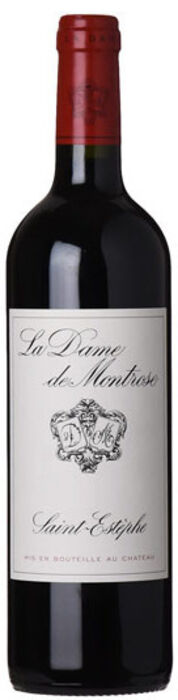
La Dame De Montrose Saint Estephe 2016
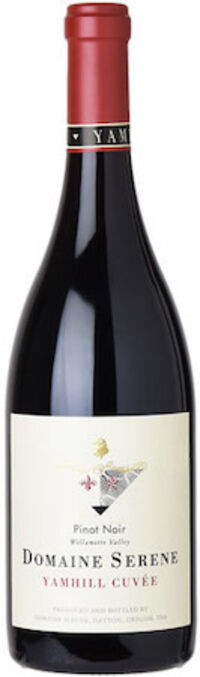
Domaine Serene Pinot Noir Yamhill Cuvee 2018
How long do you age wine? What wines age well?
As you progress through regions and styles, it’s a good idea to consider ageability. If you’re buying wine to try over the long term, you’ll want to make sure it will stand the test of time. Wine generally needs at least two of the following three to age gracefully: full tannins, medium to high acidity and/or sugar. Left Bank Bordeaux has high acid and high tannins, which allows it to age wonderfully. Many Napa Cabernet Sauvignon have moderate to high tannins but low acidity, which means it will have a shorter lifespan. Benchmark sweet German Riesling such as Joh. Jos. Prum or Egon Muller have both sugar and high acidity which allows them to age decades, if not a century.
Ready for the next level?
At this point, you’ll have a well informed and educated palate. You know what you like, and might have a grasp on what varieties and regions you prefer the most. Keep exploring and diversifying your collection. Begin to catalog the bottles, and develop a system to keep track of where each bottle is kept. There are a plethora of websites you may use to track your inventory. I prefer Cellartracker due to the ease of use, and the community element.
When you are ready to really step up your game, look to our Pre-arrival program for incredible access to truly world-class wines, back vintages, and no-brainer investment wines.
What is Pre-Arrival Wine?
With our new approach to pre-arrival, we are breaking down generational barriers in the world of wine. For the first time in history you have unfiltered access to the finest wine in the world.
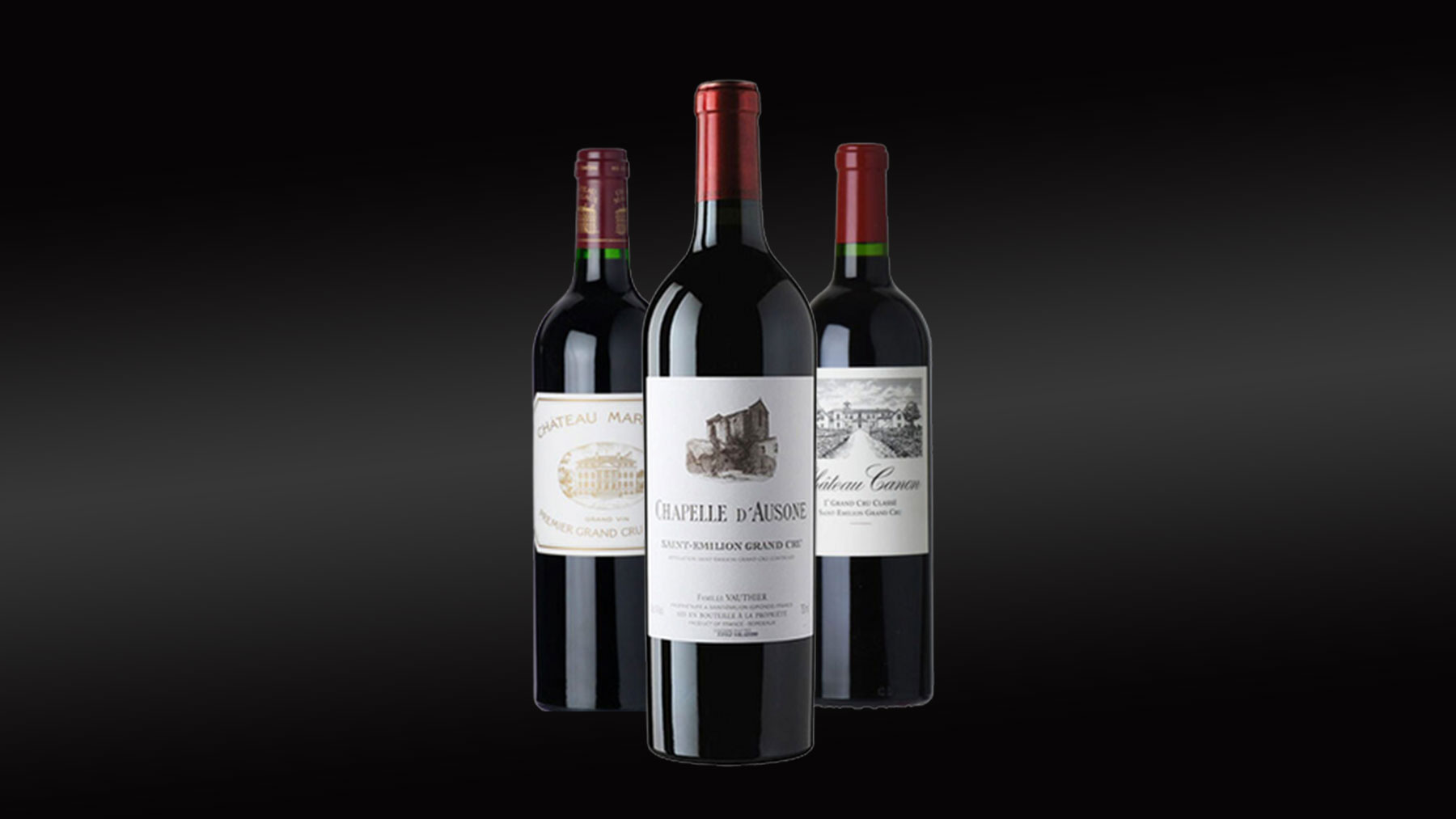
Of course, the most important part of wine is enjoying it with friends and family. Joining a tasting group is a blast, allows you to taste dozens of wines at a single setting, and offers the chance to geek out and reminisce on your favorite bottles and experiences.