Items not labeled as Rapid Ship or Pre-arrival may require a transfer from the warehouse to our shipping facility before shipping, which can take 4–6 business days. Learn more on the Shipping Info page.


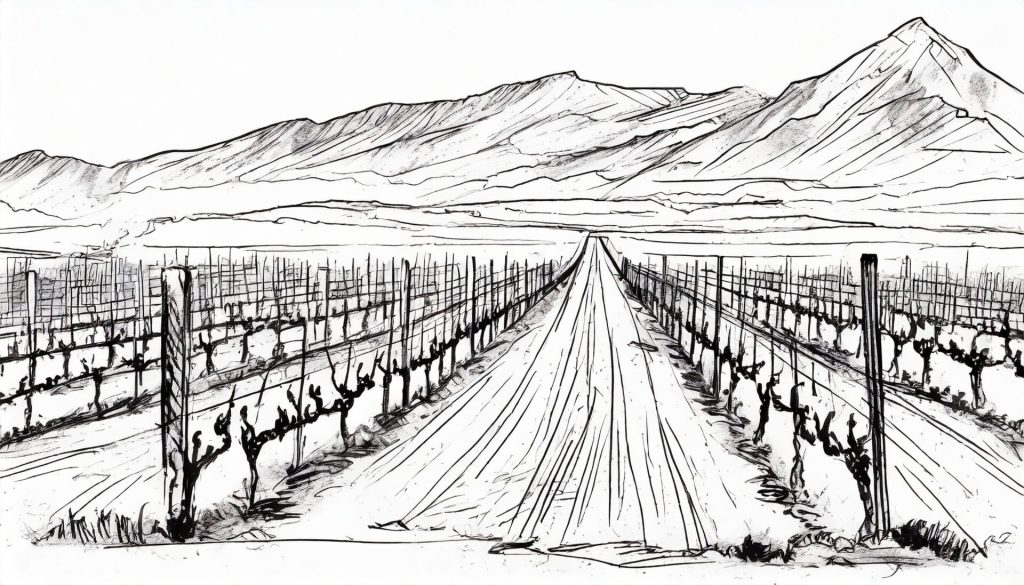
Argentina
Argentina, a land of immense beauty and diverse landscapes, is also home to a vibrant and rapidly growing wine industry. For those seeking to explore new horizons in the world of wine, Argentina offers a tantalizing journey. With a rich history, unique climate conditions, and a wide array of grape varietals, Argentine wines are as diverse as the regions they hail from.
Overview of Argentina’s Wine Regions
Before delving into the specifics, it’s essential to understand the various wine regions of Argentina, each offering its unique charm and character:
Situated in the western part of Argentina, Cuyo encompasses the provinces of Mendoza, San Juan, and San Luis. Cuyo is the heart of Argentina’s wine production, with a history dating back to the 16th century when Spanish settlers first introduced vines to the region.
Argentina’s southernmost wine region, Patagonia boasts a cool, maritime-influenced climate, thanks to its proximity to the Atlantic Ocean. While relatively new to the world of winemaking, it’s gaining recognition for its unique cool-climate wines, particularly Pinot Noir and Chardonnay.
Located in the northwest, Salta is known for its high-altitude vineyards, some of the highest in the world. The region’s history dates back to the 17th century when Spanish colonists introduced vines, and it’s celebrated for its Torrontés grape, among others.
Uco Valley
A subregion within Mendoza, the Uco Valley is celebrated for its high-altitude vineyards, resulting in unique conditions for grape cultivation. Malbec thrives in this region, producing wines with exceptional concentration and complexity.
The History of Argentine Wine
The story of Argentine wine begins with the arrival of Spanish settlers in the 16th century. These early colonists brought with them European grape varieties and winemaking techniques. Over time, these vines adapted to the unique Argentine terroir, creating distinct grape varieties and wine styles.
In the late 19th century, Argentina’s wine industry experienced a significant transformation. Immigrants from Europe, particularly Italy and Spain, brought their winemaking expertise, leading to the modernization of the industry. This era marked the beginning of a new chapter in Argentine wine, with the industry shifting from quantity to quality.
By the 20th century, Malbec had firmly established itself as Argentina’s signature grape. The high-altitude vineyards of regions like Mendoza and the Uco Valley became prime locations for cultivating Malbec, producing wines with deep color, ripe dark fruit flavors, and a hint of spice.
Climate: Argentina’s Wine Advantage
Argentina’s climate plays a significant role in shaping the unique characteristics of its wines. The majority of Argentina’s vineyards benefit from a climate characterized by hot, arid summers and cold winters. This results in a significant diurnal temperature shift, where daytime and nighttime temperatures vary greatly.
The dramatic temperature fluctuations help grapes retain acidity while fully ripening during the day. This phenomenon is particularly beneficial for red grapes, such as Malbec, resulting in wines with vibrant fruit flavors and balanced acidity.
Moreover, Argentina’s high-altitude vineyards are a distinguishing feature. The vineyards in regions like Mendoza and the Uco Valley can reach elevations of up to 9,800 feet (3,000 meters) above sea level. The high altitudes contribute to greater temperature variations, increased sunlight exposure, and well-drained soils, which are ideal for grape cultivation.
Characteristics of Argentine Wine
Argentine wine is celebrated for its approachable style, rich flavors, and versatility. Here are some key characteristics that define Argentine wine:
1. Malbec Mastery: Argentina has firmly established itself as the global leader in Malbec production. Argentine Malbec wines are known for their deep color, notes of ripe black fruit, and velvety textures. The region’s high-altitude vineyards result in Malbecs with exceptional concentration and complexity.
2. Signature Aromatic Whites: Argentine Torrontés is a unique, aromatic white grape variety. It produces wines with floral and citrus notes, and its high-altitude cultivation preserves its vibrant acidity. These wines are perfect for those seeking an aromatic white wine with a touch of elegance.
3. Bordeaux Blends: In addition to Malbec, Argentine winemakers excel in crafting Bordeaux-style blends, often featuring Cabernet Sauvignon, Merlot, and Cabernet Franc. These wines combine the structure of classic Bordeaux wines with the ripe fruit flavors characteristic of Argentina.
4. Cool-Climate Elegance: Patagonia, Argentina’s southernmost region, is celebrated for its cool-climate varietals such as Pinot Noir and Chardonnay. These wines are characterized by their bright acidity, vibrant fruit, and overall elegance.
5. Increasing Diversity: As the Argentine wine industry continues to evolve, winemakers are exploring new varietals and terroirs. This diversity includes the production of Syrah, Bonarda, Sauvignon Blanc, and more, allowing wine enthusiasts to discover a broad spectrum of flavors and styles.
Notable Producers
While Argentina boasts numerous outstanding wineries, here are a few notable producers to keep an eye out for when exploring Argentine wine:
1. Bodega Catena Zapata: Known for its pioneering efforts in high-altitude winemaking and its extensive range of Malbec wines, each expressing the unique terroirs of their vineyards.
2. Bodega Vistalba: Famous for its premium Malbec wines and the picturesque vineyard views that provide an immersive experience of Mendoza’s wine culture.
3. Bodega del Fin del Mundo: Recognized for its Pinot Noir and Chardonnay, showcasing the cool-climate potential of Patagonia’s terroir.
4. Bodega Colomé: Celebrated for its high-altitude vineyards and emphasis on Torrontés, offering a taste of Salta’s unique character.
5. Bodegas Salentein: Situated in the Uco Valley, this winery is known for its premium Malbec and Cabernet Sauvignon wines, reflecting the region’s distinctive terroir.
6. Bodega Luigi Bosca: A family-owned winery with a long tradition of producing high-quality Malbec, deeply rooted in Mendoza’s winemaking history.
Argentina’s wine landscape is dynamic, continually evolving, and full of exciting discoveries for those seeking to explore the world of wine. With a rich history, unique climate conditions, and a broad array of grape varietals, Argentina is a treasure trove for wine enthusiasts looking to try something new and delicious. Whether you’re savoring a glass of Malbec from the high-altitude vineyards of Mendoza or indulging in the aromatic notes of Torrontés in Salta, each sip is an invitation to explore the beauty of Argentine wine.
Shop products from Argentina
-
DC

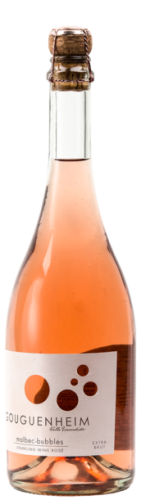
Gouguenheim Extra Brut Malbec Bubbles NV 750ml
Sparkling Malbec roses are gaining popularity in Argentina. This Uco Valley example is one of the pioneers, with a pale…
-
JS

Altos las Hormigas Tinto 2022 750ml
Attractive aromas of red and dark berries, crushed walnuts, dried flowers and stone. Medium-bodied, juicy and bright on the palate…
-
JSWS

El Enemigo Chardonnay 2022 750ml
#16 of Top 100 Value Wines of 2024. A consistently impressive chardonnay that highlights purity and saline minerality. Salted lemons,…
-

Alamos Malbec Seleccion NV 750ml
Hand selected from vineyards in the cool climate district of La Consulta, Alamos Selección is the brand’s premier Malbec offering.…
-
JSWA
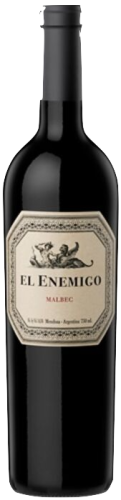
El Enemigo Malbec 2022 750ml
This has blackberries, asphalt, violets and subtle wood on the nose. The palate is angular, sharp and precise, with lots…
-
12 FREEJSWA

Catena Zapata Malbec Argentino 2022 750ml
Elegant and perfumed nose with violets, spices, fresh blackberries, blueberries and touches of chiles, chocolate, cigar box and white pepper.…
-
12 FREEJSVM

Terrazas de los Andes Cheval des Andes 2021 750ml
#8 in Top 100 Wines of Argentina, 2024. Complex aromas of blueberries, pie crust, fresh flowers and currant bush with…
-
DCWS
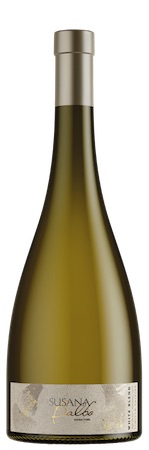
Susana Balbo Signature Brioso White Blend 2024 750ml
Bright citrus aromas with nuances of flowers, honey, spices and white fruits. Rounded and soft texture on the palate. (Silver)…
-
12 FREEJSVM
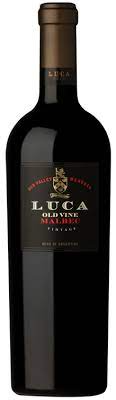
Luca Malbec Old Vine 2022 750ml
#34 in Top 100 Wines of Argentina, 2024. Lots of mountain herbs, mussel shells and sour black cherries. Full, fleshy…
-
JSWA
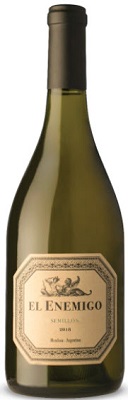
El Enemigo Semillon 2023 750ml
#27 in Top 100 Value Wines, 2025. Lovely aromas of pears, salted lemons and quince. The palate is saline and…
-
JSWA
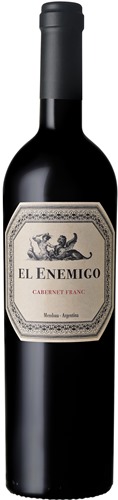
El Enemigo Cabernet Franc 2022 750ml
Wet earth and elderberries shape the nose with a touch of dark chocolate. The velvety palate is medium- to full-bodied…
-
JSVM
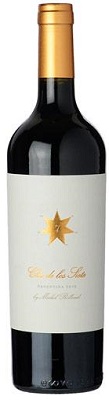
Clos de los Siete By Michel Rolland Red Blend 2021 750ml
#68 in Top 100 Wines of Argentina, 2024. A fresh and linear red with blackberries, blackcurrants and dark chocolate. Medium-bodied,…