Items not labeled as Rapid Ship or Pre-arrival may require a transfer from the warehouse to our shipping facility before shipping, which can take 4–6 business days. Learn more on the Shipping Info page.
In-store Only Items
These items are available at our location to purchase in-store, or to choose in-store pickup at checkout.
Long-term Pre-arrival Items
Long Term Pre-arrival Definition: Ordering wine directly through us from our supplier partners in Europe in advance of the item’s physical arrival in the US.
Long Term Pre-arrival sales ensure you’re getting the best possible price and that you have also secured the product before it hits the normal retail supply chain. The lead time for Pre-arrival goods is generally 4–8 months, sometimes longer based on supply chain and the logistics of transporting goods overseas. The expectation, from our team, is to communicate to the customer the location of their purchase every step of the way.
This product is offered as a full case purchase option, minimum order quantities may be applicable. When available, multiple case options will be presented. If you are purchasing a Pre-Arrival item you must order a solid case.
Rapid Ship
Items listed as "rapid ship" are in stock and available for immediate pickup or shipment. Those that do not have the "rapid ship" icon are housed with our supplier and must be transferred to our warehouse before they can be picked up or shipped. This requires 4-6 business days but usually occurs sooner. Some products will list both options of availability as there will be a certain number in stock, with the option to order additional bottles to be transferred from the supplier.
We offer FREE ground shipping and discounted upgraded shipping on orders with multiples of 12 qualifying bottles. Solid cases or mix-and-match, look for the yellow 12 FREE badge and save!
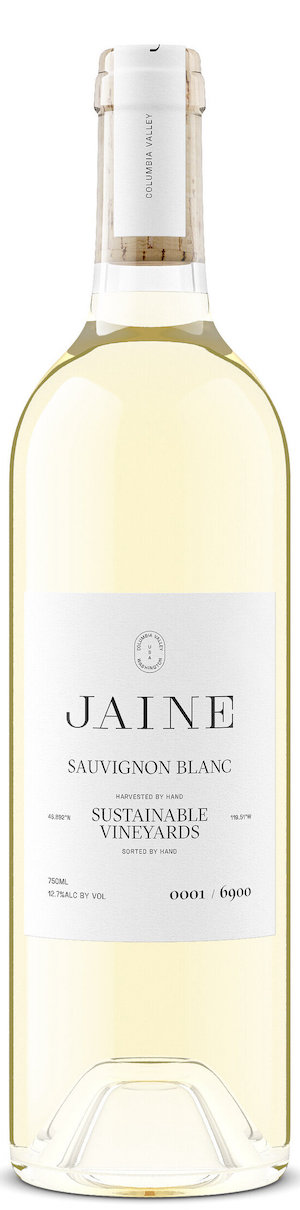
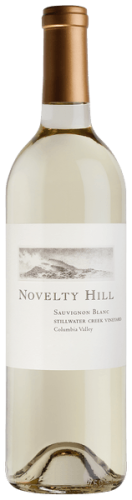
Sample image only.Please see Item description for product Information. When ordering, the item shipped will match the product listing if there are any discrepancies. Do not order solely on the label if you feel it does not match product description.
SKU 961675
$16.89/bottle
Availability: This item is available for online ordering only. It can be picked up or shipped from our location within 4-6 business days. See FAQ for more.
The green skinned grapes of the Sauvignon Blanc varietal had their origins in Southern France, where they are still widely grown and used for many of the excellent young and aged white wines the region is famous for. Today, however, they are grown in almost every wine producing country in the world, and are widely revered for their fresh and grassy flavors, full of tropical notes and refreshing, zesty character. Sauvignon Blanc grapes thrive best in moderate climates, and ripen relatively early in the year. This has made them a favorite for many wineries in the New World, where they can still produce healthy and high yields in the earlier part of the summer before the temperatures become too hot. Too much heat has a massively adverse effect on Sauvignon Blanc, as the grapes become dull in their flavor, and the wine produced from them loses all its unique character and high points. As such, Sauvignon Blanc farmers have had a lot of trouble from global warming and climate change, as they are being forced to harvest their crops increasingly earlier in the year when it is cool enough to do so.
Country
United States
Of all the New World wine countries, perhaps the one which has demonstrated the most flair for producing high quality wines - using a combination of traditional and forward-thinking contemporary methods - has been the United States of America. For the past couple of centuries, the United States has set about transforming much of its suitable land into vast vineyards, capable of supporting a wide variety of world-class grape varietals which thrive on both the Atlantic and the Pacific coastlines. Of course, we immediately think of sun-drenched California in regards to American wines, with its enormous vineyards responsible for the New World's finest examples of Cabernet Sauvignon and Merlot based wines, but many other states have taken to viticulture in a big way, with impressive results. Oregon, Washington State and New York have all developed sophisticated and technologically advanced wine cultures of their own, and the output of U.S wineries is increasing each year as more and more people are converted to their produce.
Region
Washington State
Since it began in the 1820s, wine-production in Washington state has gone from strength to strength, with many of the finest United States wines coming out over the past twenty years hailing from this region. Today, the state is the second largest US producer of wines, behind California, with over forty thousand acres under vine. The state itself is split into two distinct wine regions, separated by the Cascade Range, which casts an important rain shadow over much of the area. As such, the vast majority of vines are grown and cultivated in the dry, arid desert-like area in the eastern half of the state, with the western half producing less than one percent of the state's wines where it is considerably wetter. Washington state is famed for producing many of the most accessible wines of the country, with Merlot and Chardonnay varietal grapes leading the way, and much experimentation with other varietals characterizing the state's produce in the twenty-first century.
Appellation
Columbia Valley
Columbia Valley, a prominent wine appellation in Washington State, USA, stands out for its diverse and expansive viticultural landscape. What makes Columbia Valley unique is its remarkable versatility, producing a wide array of grape varieties due to its diverse microclimates and soils. This appellation, bordered by the Cascade Mountains, benefits from a continental climate, allowing for extended sunlight hours during the growing season.
Columbia Valley is particularly celebrated for its outstanding Merlot, Cabernet Sauvignon, and Syrah wines. The region's commitment to sustainable and organic viticulture contributes to the overall uniqueness, emphasizing environmental stewardship. The collaborative spirit among winemakers fosters innovation and quality across a range of wine styles. From crisp Rieslings to robust red blends, Columbia Valley wines express the richness of the Pacific Northwest's terroir, inviting wine enthusiasts to explore the dynamic and evolving landscape of American winemaking.