Items not labeled as Rapid Ship or Pre-arrival may require a transfer from the warehouse to our shipping facility before shipping, which can take 4–6 business days. Learn more on the Shipping Info page.



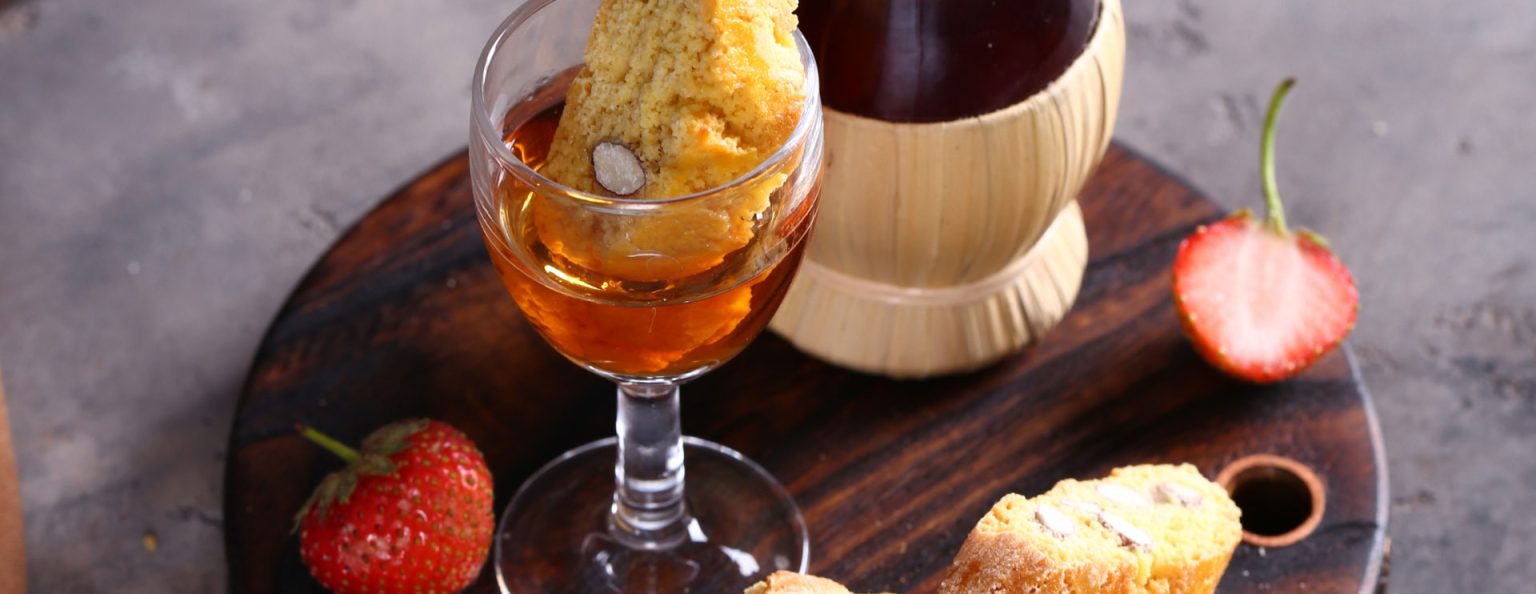
Diving into the World of Dessert Wines

So you just finished an excellent meal and are feeling not only full, but very self-satisfied, because you paired the perfect white with the appetizer, and the perfect red with the entree. Everyone loved the choices, congratulations to you! Now dessert is on the way and you are having… coffee? Don’t get me wrong, I enjoy a nice cappuccino with dessert, especially if the night is young. But instead of the usual cup of joe, why not bring things all the way around with a perfect dessert wine?
One of my fondest remembered wine courses was offered at the CIA Greystone way back in 2005 that pitted Far Niente Dolce (California’s unconfirmed GOAT dessert wine) against some of the world’s recognized greats in a multi-vintage “taste-off”. Sauternes was represented by Chateaus Suduiraut and d’YQuem, Avignonesi Vin Santo Di Montepulciano Occhio Di Pernice was upholding Italy’s honor, Disznoko 6 Puttonyos represented Hungary and there was multiple German entries from ice wine to BA (Beerenauslese) and TBA (Trockenbeerenauslese). And for each, we tasted current releases, 10 years and 20 years old (and in a few cases quite a bit older than that). It was an amazing experience to say the least. If you were wondering, I don’t recall which one I thought “won” the current release, but d’yQuem ran away with the older bottles… and frankly it wasn’t that close.
There are many methods for producing dessert wine. 2 of the most popular are ice wine and wine affected by botrytis, commonly called noble rot. Ice wine is simply that: grapes are left to freeze on the vine. Sugars and other dissolved solids do not freeze, water does. So when the grapes are pressed, a much more concentrated and sweeter juice is extracted with all the same flavors, just morish. This can be done commercially, but the best ice wines are frozen on the vine au natural. Noble rot is a very finicky fungus that can (but does not always) afflict grapes when favorable conditions exist. This fungus will draw out water from the grape, again leaving the remaining product with all the flavors, but a much lower water content and higher sugar concentration.
Because it takes many more grapes to produce the same quantity of juice, dessert wines are by nature much more expensive to make. Then you add in that they have to be partially picked daily (for Botrytized grapes), or picked in the middle of the night for ice wines and pressed in much more sturdy and expensive presses in cold rooms (the grapes cannot thaw from pick to press), and costs just keep mounting. Also, due to the high sugar content, fermentation can take many months instead of a few weeks. That’s right… more cost. You see where I am going with this. (Don’t let this discourage you, consider that a half bottle of dessert wine is easily enough for 6-8 people to enjoy, and frankly how often are you going to be treating yourself to dessert?)
What you are finally left with though, while expensive, can be almost life alteringly great. Incredibly complex aromatics and flavors that simply cannot be found elsewhere (the great dessert wines are a dessert unto themselves, no need to share the stage with mom’s apple pie). And because of the high sugar content, and often the extremely high acidity, well made dessert wine scoffs at father time. 1921 yQuem is considered a great vintage now. Like, to drink NOW. Stored properly, a quality sweet wine can be a family heirloom. At my last wine dinner we cracked open a 2005 Chateau Suduiraut and a 2005 Rutherglen Victoria Muscat (that I bought for about $15!) and they were both spellbinding.
Beyond the great ice wines and Sauternes, the list of fascinating sweet wines is long and varied. Hungarian Tokaji, Pedro Ximenex Sherry, vintage Port (and Tawny, Ruby, White, etc.), late harvest wines (Riesling often, but not exclusively), Constantia from South Africa, straw wine (Passito), Madeira, Australian Muscat… endless!
So do yourself a favor, at your next great dinner event, treat yourself and maybe others to a bottle of liquid dessert and save the coffee for breakfast.
Cheers