Items not labeled as Rapid Ship or Pre-arrival may require a transfer from the warehouse to our shipping facility before shipping, which can take 4–6 business days. Learn more on the Shipping Info page.


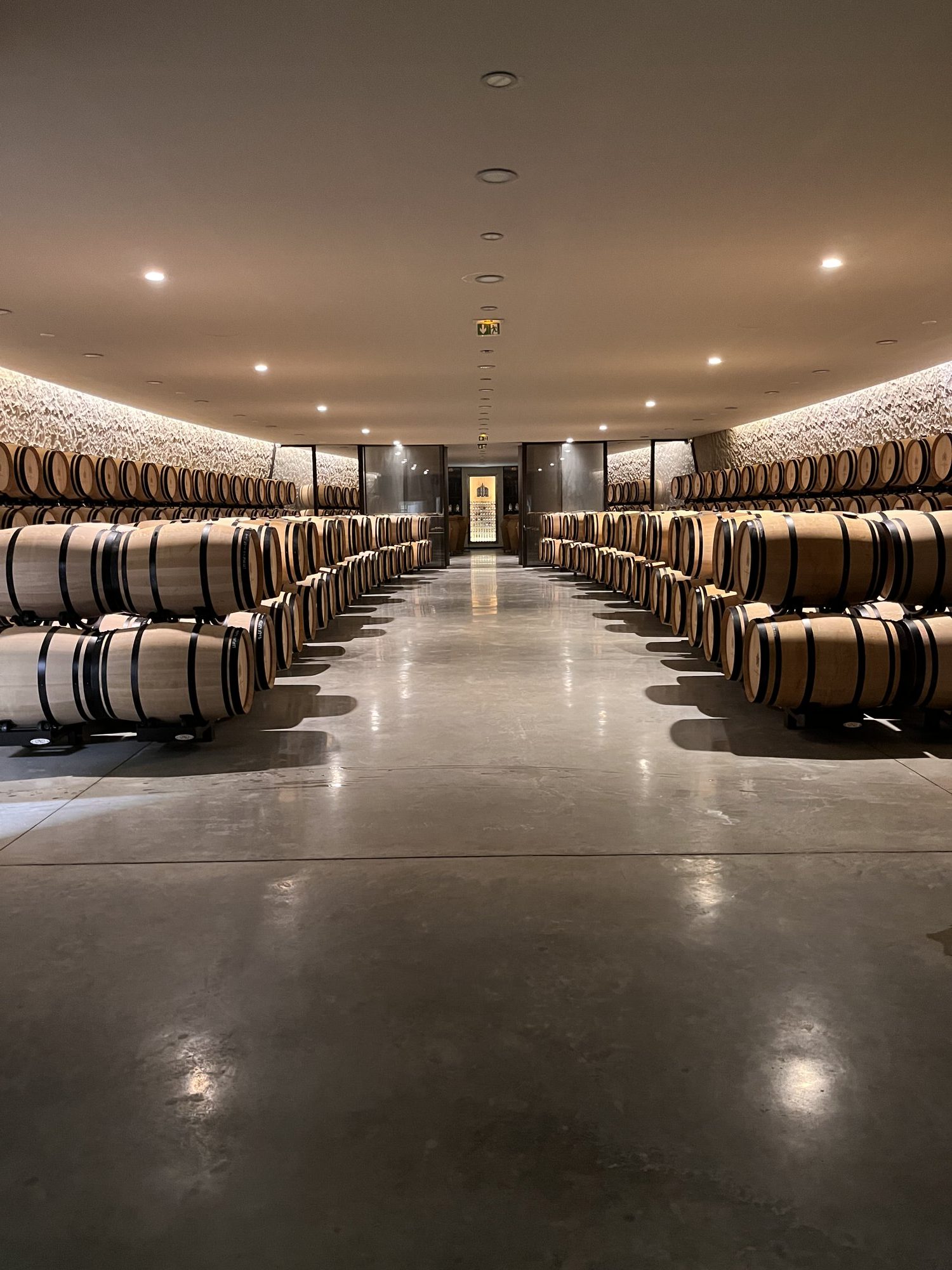
Three Days in Bordeaux That Changed Everything
What happened when I made it to the source.

I have been in the wine and spirits business for two years. An infant in the industry as compared to many of my colleagues. Even so, I have studied the appellations, memorized the classifications, and advised our customers. I thought I had a reasonably good handle on the region. Then I went to France for the first time, and I realized I had been working from a photograph of a painting.
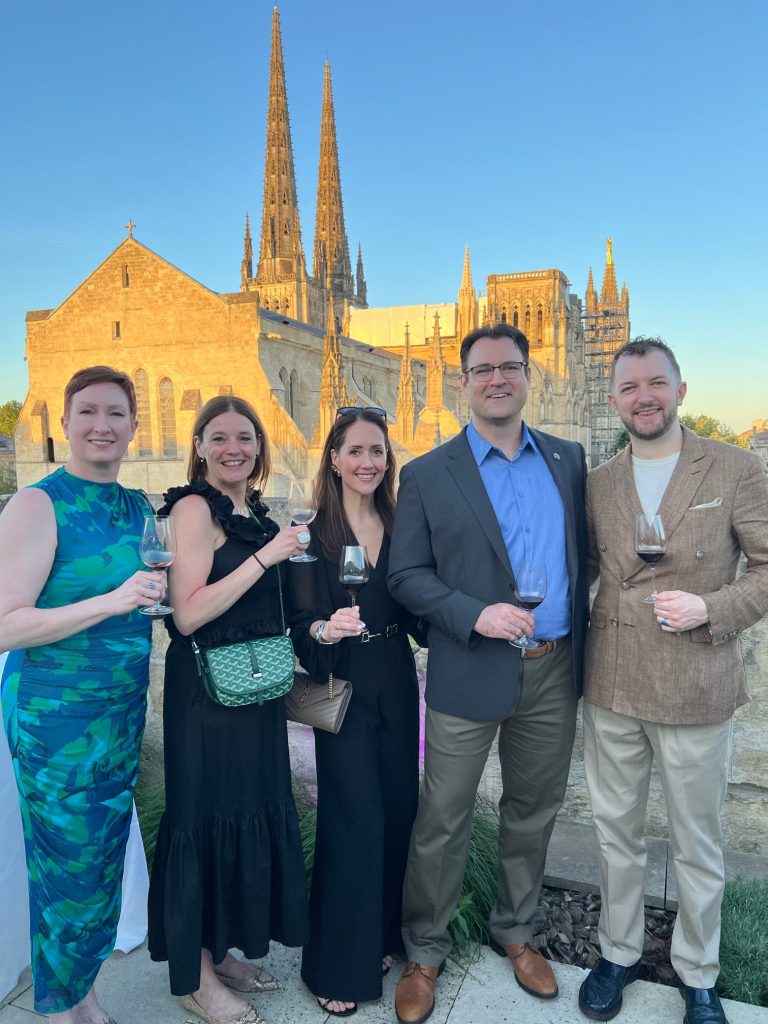
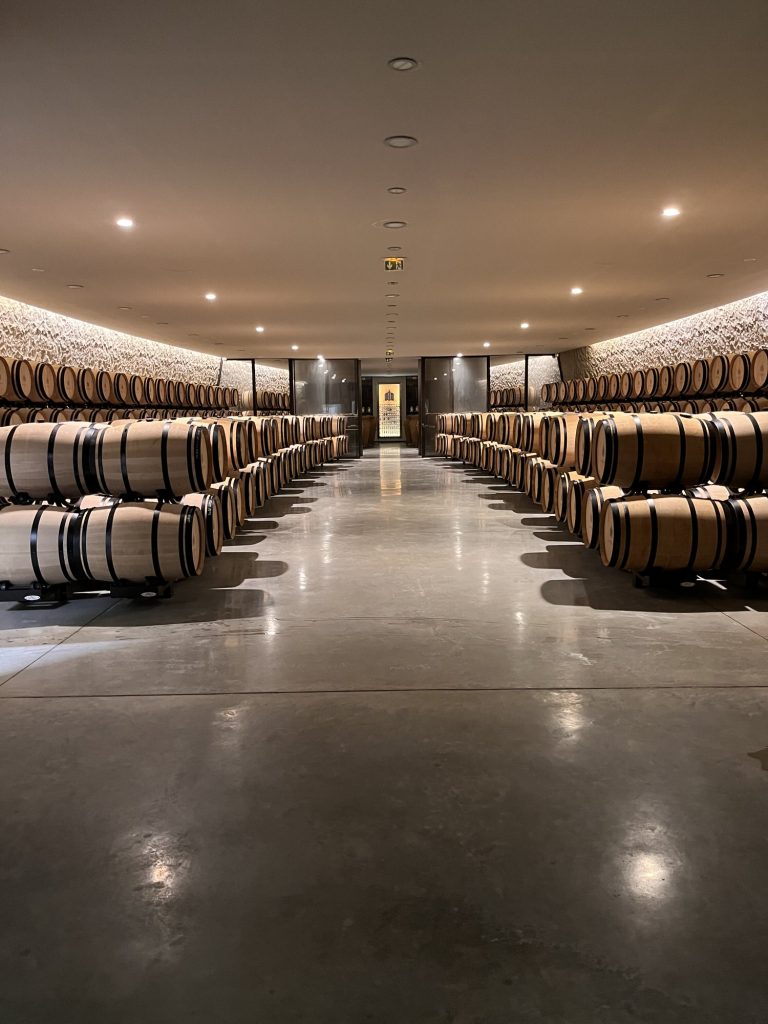
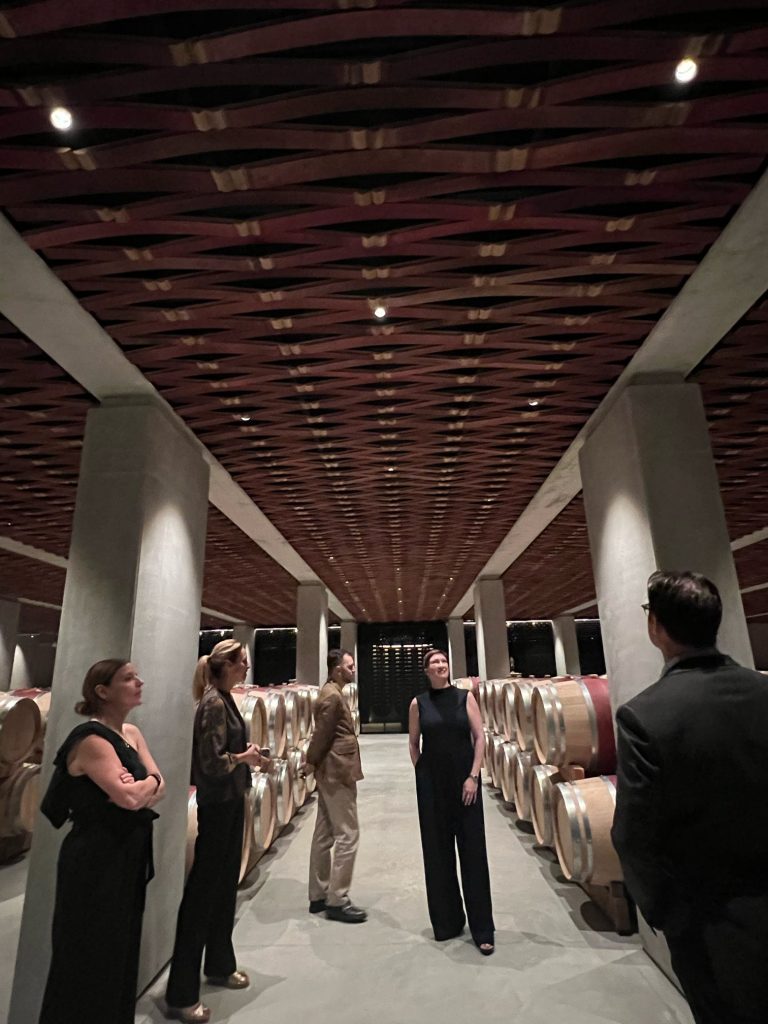
En Primeur week, the annual event in which the world’s wine trade descends on Bordeaux to taste barrel samples from the just-completed harvest, brought me and two members of my team to a 17-estate itinerary spanning Saint-Émilion, Margaux, Saint-Estèphe, Pauillac, and Pessac-Léognan. In three days, I absorbed more about this beautiful region than I had in two full years in the industry.
What no importer deck or Master Class prepares you for is the warmth. These are working estates run by families, and they welcomed us like we were returning, not arriving for the first time.
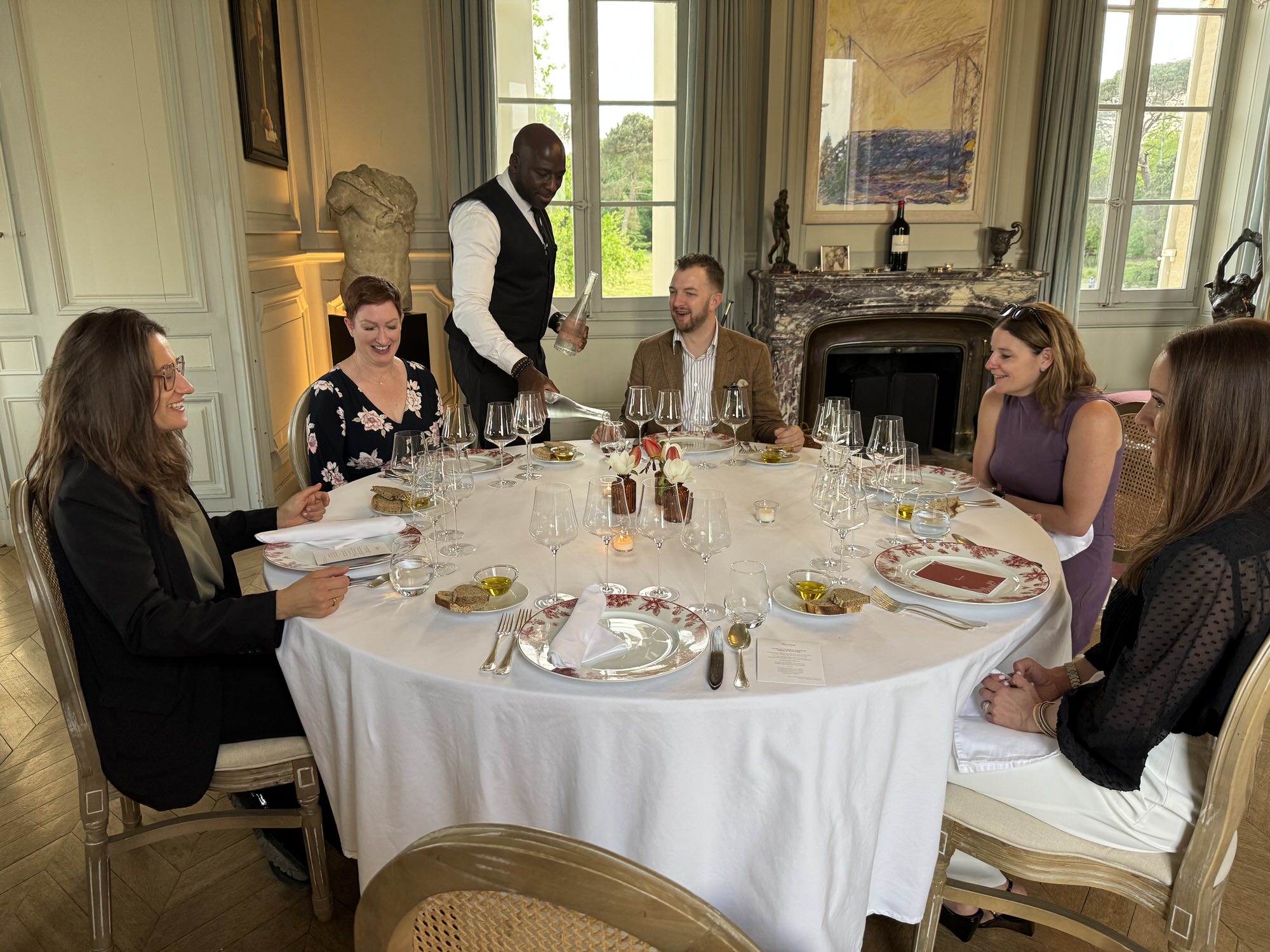
At château after château, the hospitality was extraordinary. Dinners at Château Canon, Château Giscours, and Château Cantemerle felt less like trade visits and more like sitting down at a family table — unhurried, generous, and deeply personal. It reset how I think about our role in a wine’s journey. We are not just selling wine. We are extending a connection that starts in someone’s vineyard and ends in someone’s glass.
What the Region and Vintage Told Us
The 2025 harvest arrived earlier than anyone in the region can remember. A hot, very dry summer with a late infusion of rain moved up most of the vineyards’ timetables. Yet the wines in barrel are showing genuine strength. Across both banks, the vintage is shaping up to be a compelling one.
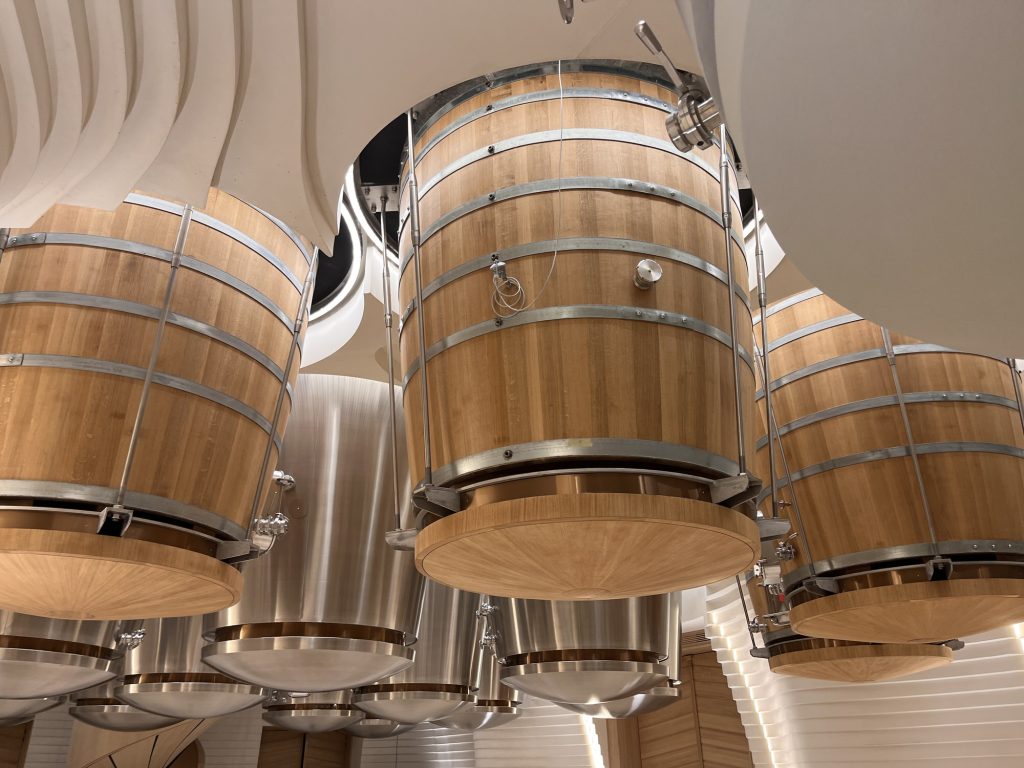
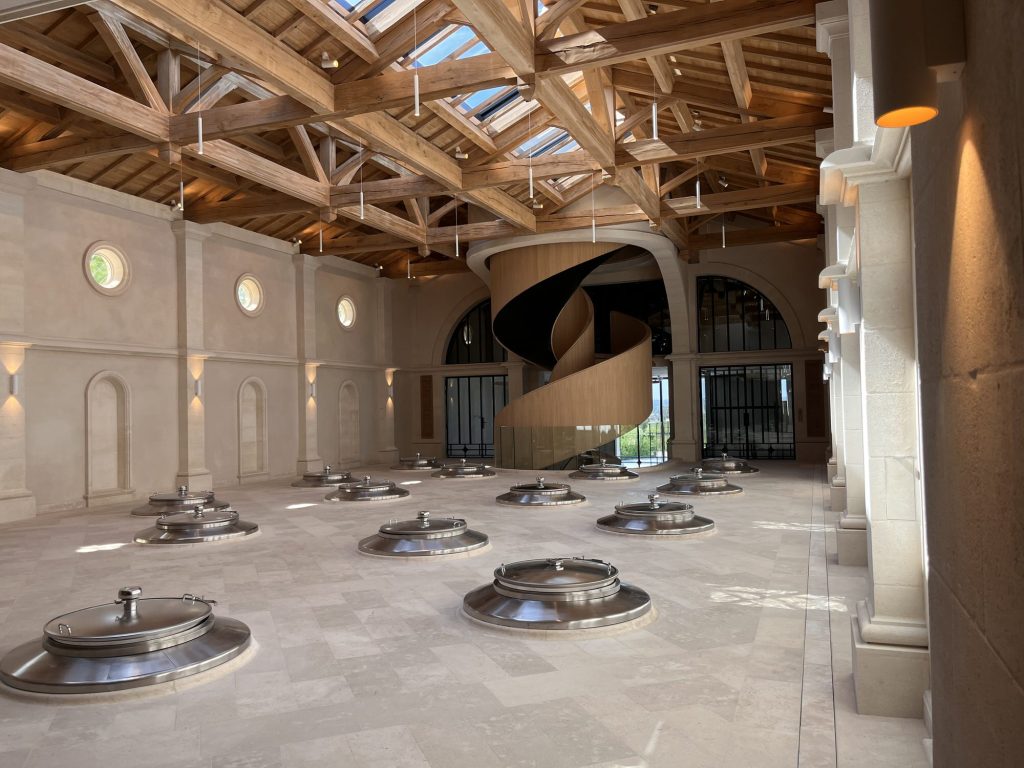
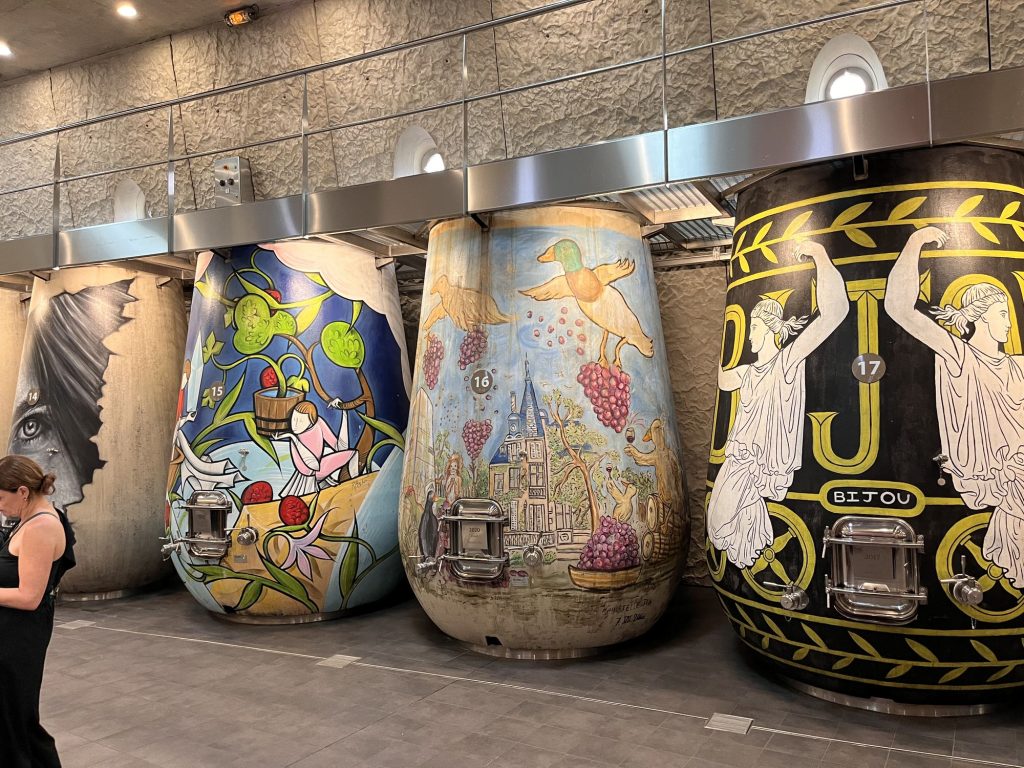
What I did not expect was how much the sustainability conversation would come to dominate. Not as a talking point — these are not estates bolting solar panels on for optics. The decisions being made around water management, pesticide reduction, and energy use are genuinely reshaping how Bordeaux farms, and they matter for quality, for our planet, and for what we tell our customers. Equally striking was how naturally technology and centuries of accumulated instinct coexist here — precision viticulture and deep-rooted tradition sitting in the same cellar, without friction. And almost universally, harvest timing in 2025 shifted earlier than at any point on record, a meaningful signal for where the region is heading climatically.
The Wines That Stayed with Me
Ranking barrel samples is an imperfect science — you are tasting potential, not a finished wine — but certain things simply stood out. These are the names I keep coming back to when I think about what to recommend when the allocations land.
Left Bank
- Alter Ego de Palmer, Margaux
- La Dame de Montrose, Saint-Estèphe
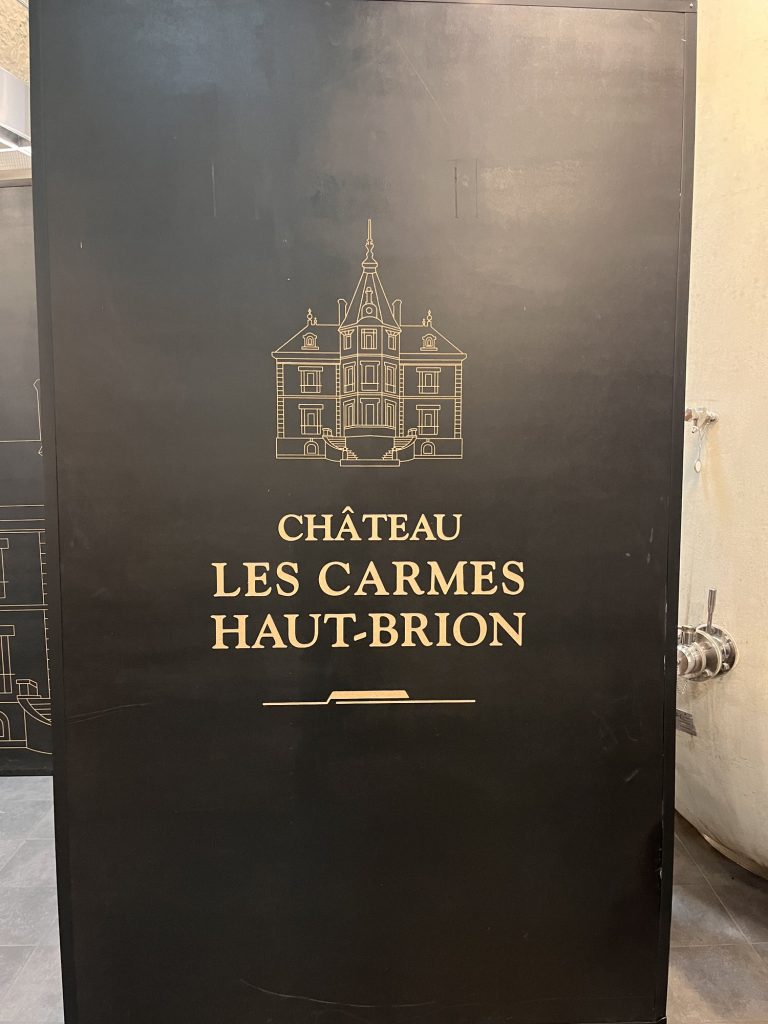
- Le C des Carmes Haut-Brion, Pessac-Léognan
- Le Blanc de Duhart-Milon, Pauillac
Right Bank
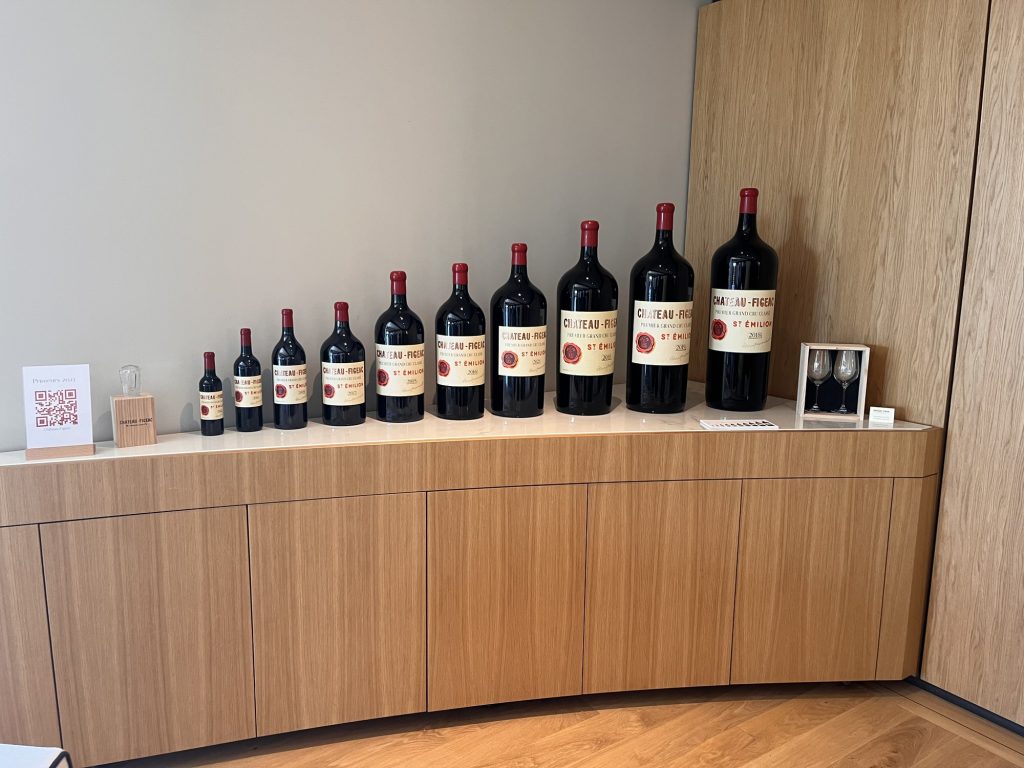
- Château Figeac, Saint-Émilion Premier Grand Cru Classé A
- Château Angélus, Saint-Émilion Grand Cru
What strikes me about the left bank picks in particular is how well the second labels are performing in 2025. For customers who want genuine Bordeaux provenance without the top-label pricing, this vintage presents a real opportunity. More to follow on this as official prices are released through the spring and summer.
What We Are Bringing Back to Saratoga
If I were to identify the single most important thing this trip gifted me, it is this: I now get to sell these wines with a face behind them. I know what the gravel at Pauillac feels like underfoot. I know how beautiful the sun looks setting over the sprawling vineyards of Saint-Émilion. I know that the person who made the wine we just opened was proud enough of it to pour it for us at their own table.
That context does not just make for better storytelling — it makes for better buying decisions. We feel incredibly fortunate to be going into 2025 En Primeur allocations with a much clearer view.
I could not have written a better three days. I would not change a single thing.